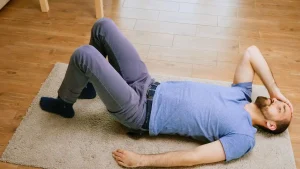
The vagus nerve is a critical component of the autonomic nervous system, connecting the brain to multiple organs. It helps regulate heart rate, digestion, and inflammatory responses. Stress and poor lifestyle habits can weaken its function, leading to heightened anxiety, poor sleep, and digestive problems. Nervous system relaxation, therefore, becomes essential for maintaining both mental and physical well-being. This article explores practical exercises to stimulate the vagus nerve, their physiological and psychological benefits, and real-world strategies to integrate these practices into daily life for lasting health improvements.
Understanding the Vagus Nerve
The vagus nerve, also called cranial nerve X, spans from the brainstem to the heart, lungs, and gut. It plays a major role in parasympathetic regulation, triggering the body’s “rest-and-digest” responses. By influencing heart rate variability, digestion, and inflammatory processes, the vagus nerve acts as a key modulator of stress and relaxation. Stimulating this nerve can strengthen its signaling, improving organ function and emotional regulation. Understanding its anatomy and pathways helps in designing effective exercises. Regular activation of the vagus nerve supports balanced autonomic function, which contributes to better mood, resilience, and overall nervous system health.
How the Nervous System Responds to Stress
Sympathetic vs. Parasympathetic Activation
The nervous system operates with two primary branches: sympathetic (fight-or-flight) and parasympathetic (rest-and-digest). Under stress, sympathetic activity dominates, increasing heart rate, blood pressure, and cortisol levels. Chronic activation can damage organs and impair mental clarity. Parasympathetic activation, triggered by the vagus nerve, counters this response, promoting calm, digestion, and repair processes. Understanding this balance is crucial, as overactive sympathetic activity contributes to anxiety, insomnia, and inflammation. Vagus nerve exercises aim to enhance parasympathetic tone, helping the body recover from stress and maintain equilibrium between these two vital systems.
Indicators of Nervous System Imbalance
Signs of autonomic imbalance often include racing heartbeats, shallow breathing, digestive disturbances, and irregular sleep patterns. Emotionally, people may feel anxious, irritable, or mentally foggy. Persistent stress also increases inflammatory markers and reduces heart rate variability, signaling weakened vagal activity. Identifying these indicators early allows proactive intervention. Vagus nerve exercises can mitigate these effects by enhancing parasympathetic dominance, improving resilience to stressors. By routinely practicing stimulation techniques, individuals can reduce physiological stress responses, improve sleep, digestion, and emotional regulation, and ultimately restore overall nervous system balance.
Vagus Nerve Exercises: Methods and Techniques
Breathing and Respiratory Exercises
Diaphragmatic breathing, slow exhalations, and box breathing stimulate vagal tone directly. These exercises increase oxygenation and promote parasympathetic activation, lowering heart rate and calming the mind. Practicing for five to ten minutes daily can reduce stress and anxiety. Breathing techniques are accessible, requiring no special equipment, and can be performed at home or work. Combining breath control with mindfulness enhances the relaxation response. Regular respiratory exercises strengthen the vagus nerve, leading to better emotional regulation, improved focus, and more effective responses to stress in both personal and professional settings.
Physical Movements and Posture
Posture and movement influence vagus nerve activation. Gentle neck stretches, spinal twists, and yoga poses open nerve pathways and enhance circulation. Correct posture reduces tension and supports nerve signaling between the brain and organs. Incorporating these movements into daily routines, even for a few minutes, can improve vagal tone, support digestion, and enhance mental clarity. Exercise also complements other relaxation techniques, providing a holistic approach to nervous system health. Awareness of posture during work or sedentary activities further reinforces these benefits, ensuring long-term improvement in both physiological and psychological well-being.
Vocal and Auditory Stimulation
Humming, chanting, singing, and gargling are effective techniques to activate the vagus nerve through the vocal cords. These actions create vibrations that stimulate parasympathetic pathways, promoting relaxation. Regular vocal exercises can lower stress hormones, reduce heart rate, and improve mood. Unlike physical exercises, vocal stimulation is easily integrated into daily life. Morning chanting or humming while performing household tasks can provide quick parasympathetic boosts. For those in high-stress environments, vocal practices can serve as portable relaxation tools, enhancing overall nervous system resilience and supporting better mental and emotional health throughout the day.
Mindfulness and Meditation Practices
Guided meditation, progressive muscle relaxation, and visualization exercises engage the vagus nerve indirectly. Mindfulness techniques reduce sympathetic overdrive, fostering calm and focus. Meditation has been shown to lower cortisol, improve heart rate variability, and enhance emotional resilience. Progressive muscle relaxation releases physical tension while stimulating parasympathetic activity. Visualizing calming environments activates the brain’s relaxation networks. Combining mindfulness with breathing exercises amplifies vagal stimulation. Regular practice not only improves nervous system balance but also cultivates long-term habits that enhance cognitive clarity, emotional regulation, and stress recovery in both personal and professional settings.
Physiological Benefits of Vagus Nerve Stimulation
Stimulating the vagus nerve has measurable physiological benefits. Heart rate variability improves, supporting cardiovascular health and reducing the risk of stress-related heart problems. Inflammation markers decrease, enhancing immune function and digestive efficiency. Hormonal balance stabilizes, with lower cortisol levels contributing to better energy and sleep quality. Regular vagus nerve activation strengthens resilience to stress, allowing faster recovery from physical and emotional challenges. These benefits extend beyond immediate relaxation, promoting systemic health and long-term wellness. Incorporating daily exercises helps maintain these effects, improving quality of life and supporting sustainable stress management strategies.
Mental Health Impacts
Stress and Anxiety Reduction
Vagus nerve stimulation lowers cortisol, reduces sympathetic overdrive, and activates calming parasympathetic responses. Regular practice can diminish feelings of anxiety, reduce rumination, and improve emotional regulation. Incorporating breathing, vocal exercises, and mindfulness can provide immediate relief in stressful situations. Over time, individuals experience sustained reductions in anxiety levels and improved resilience to stressors. These effects make vagus nerve exercises an essential tool for mental health maintenance, offering practical strategies to manage work pressures, personal challenges, and daily stress while fostering long-term psychological well-being.
Cognitive Function and Mood Regulation
Enhanced vagal tone supports improved focus, memory retention, and mood stability. Activation of parasympathetic pathways enhances oxygen delivery to the brain and reduces cognitive fatigue. Individuals often report improved clarity in decision-making, emotional resilience, and overall mental sharpness. Regular exercises may also alleviate mild depressive symptoms and increase motivation. By promoting balanced neurotransmitter activity and calming the nervous system, vagus nerve stimulation becomes a practical and evidence-based method to maintain cognitive health and emotional stability, supporting both personal and professional productivity.
Integrating Vagus Nerve Exercises into Daily Life
Consistency is key. Scheduling short sessions of breathing, vocalization, and mindful movement ensures lasting benefits. Combining multiple techniques amplifies parasympathetic activation. Start with five to ten minutes per day and gradually increase duration. Integrating exercises into morning routines, breaks, or evening wind-downs enhances adherence. Tracking progress, noting reductions in stress and improvements in focus, motivates continued practice. Over time, these exercises become automatic, producing cumulative benefits for nervous system relaxation, emotional regulation, and physical well-being. Holistic integration ensures that vagus nerve stimulation complements lifestyle habits for optimal health outcomes.
Scientific Research and Evidence
Research supports vagus nerve stimulation for stress, inflammation, and mood regulation. Clinical studies demonstrate improved heart rate variability, reduced anxiety, and better digestion in participants performing breathing and meditation exercises. Emerging evidence highlights potential benefits for autoimmune disorders and mental health conditions. However, studies vary in methodology and duration, emphasizing the need for ongoing research. Practical applications in daily life show promising results, reinforcing the role of vagus nerve exercises as accessible, low-risk interventions for nervous system health. Combining science-backed techniques with consistent practice maximizes both physiological and psychological benefits.
Safety Considerations and Precautions
While generally safe, vagus nerve exercises should be approached gradually, especially for individuals with cardiovascular, respiratory, or neurological conditions. Overstimulation can cause dizziness, nausea, or lightheadedness. Consulting healthcare providers before intensive exercises or clinical stimulation is advised. Start with short, gentle practices and observe bodily responses. Avoid pushing beyond comfort, and discontinue exercises if adverse symptoms appear. Gradual implementation ensures safe parasympathetic activation while preventing injury or stress. Awareness of individual limitations and medical conditions maximizes benefits while reducing risks associated with vagus nerve exercises.
Combining Lifestyle Practices for Nervous System Relaxation
Lifestyle choices amplify vagus nerve benefits. Adequate sleep, balanced nutrition, and regular physical activity support nervous system health. Social connection, supportive environments, and stress management techniques further enhance relaxation. Tracking improvements in mood, sleep quality, and digestion provides feedback for adjustment. Combining these practices with regular vagus nerve exercises strengthens resilience, reduces stress, and fosters long-term mental and physical wellness. Holistic approaches ensure that parasympathetic activation is sustained, producing cumulative improvements in overall nervous system function and daily life quality.
Common Mistakes to Avoid
Common mistakes include overemphasizing one technique, inconsistent practice, or ignoring underlying medical conditions. Unrealistic expectations may cause frustration. Neglecting lifestyle factors like sleep and nutrition reduces efficacy. Vagus nerve exercises should be part of a broader health strategy, not a standalone solution. Avoiding these errors ensures safe, sustainable benefits. Gradual, consistent practice combined with balanced lifestyle adjustments maximizes nervous system relaxation, mental clarity, and stress resilience. Awareness of potential pitfalls allows individuals to implement effective, evidence-based routines with measurable improvements in physical and psychological health over time.
Conclusion
Vagus nerve exercises provide a powerful method to enhance nervous system relaxation, reduce stress, and improve physical and mental health. Breathing, movement, vocalization, and mindfulness techniques stimulate parasympathetic activity, supporting heart rate variability, digestion, immune function, and emotional resilience. Consistent daily practice, combined with lifestyle strategies like sleep, nutrition, and social connection, ensures sustainable results. Scientific research supports their efficacy, though individual adaptation is key. By incorporating these exercises thoughtfully, individuals can take proactive steps toward overall well-being, improved focus, reduced anxiety, and long-term nervous system health.
FAQs
1. How long should I practice vagus nerve exercises daily for relaxation?
Starting with five to ten minutes daily is sufficient. Gradually increasing duration enhances vagal tone, improves nervous system balance, and reduces stress over time.
2. Can vagus nerve exercises help with anxiety and depression?
Yes. Evidence shows regular vagal stimulation lowers cortisol, improves mood regulation, and enhances emotional resilience, supporting mental health management.
3. Are there risks associated with vagus nerve exercises?
Generally safe, but over-stimulation can cause dizziness or nausea. People with cardiovascular or neurological conditions should consult professionals before intensive practice.
4. Which exercises best stimulate the vagus nerve at home?
Breathing techniques, humming, chanting, gentle yoga, and mindfulness meditation are effective, easy to perform, and accessible without special equipment.
5. How quickly will I notice benefits from vagus nerve stimulation?
Immediate effects like calmness and slower heart rate can occur after a session, but consistent practice over weeks enhances long-term nervous system regulation.